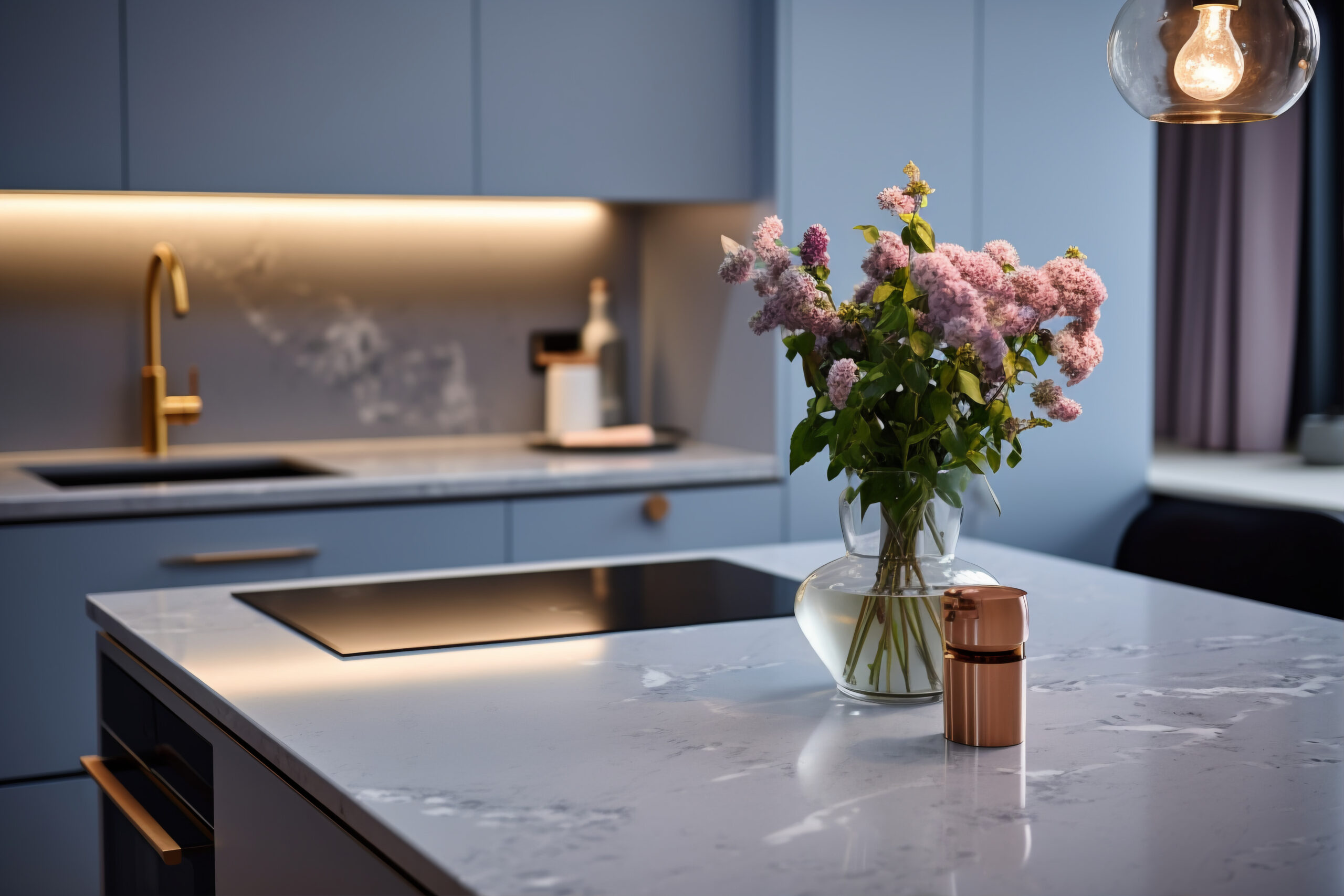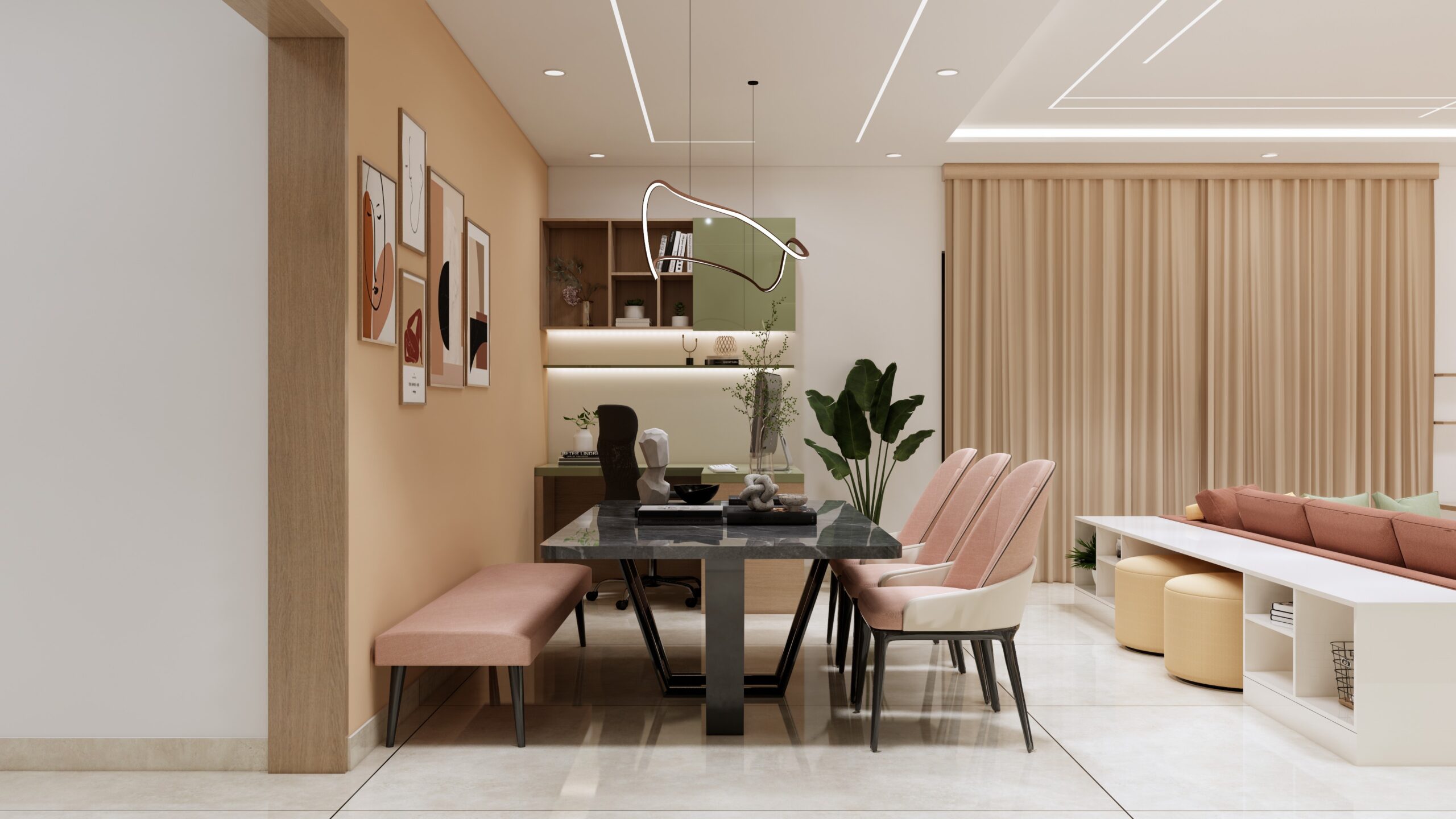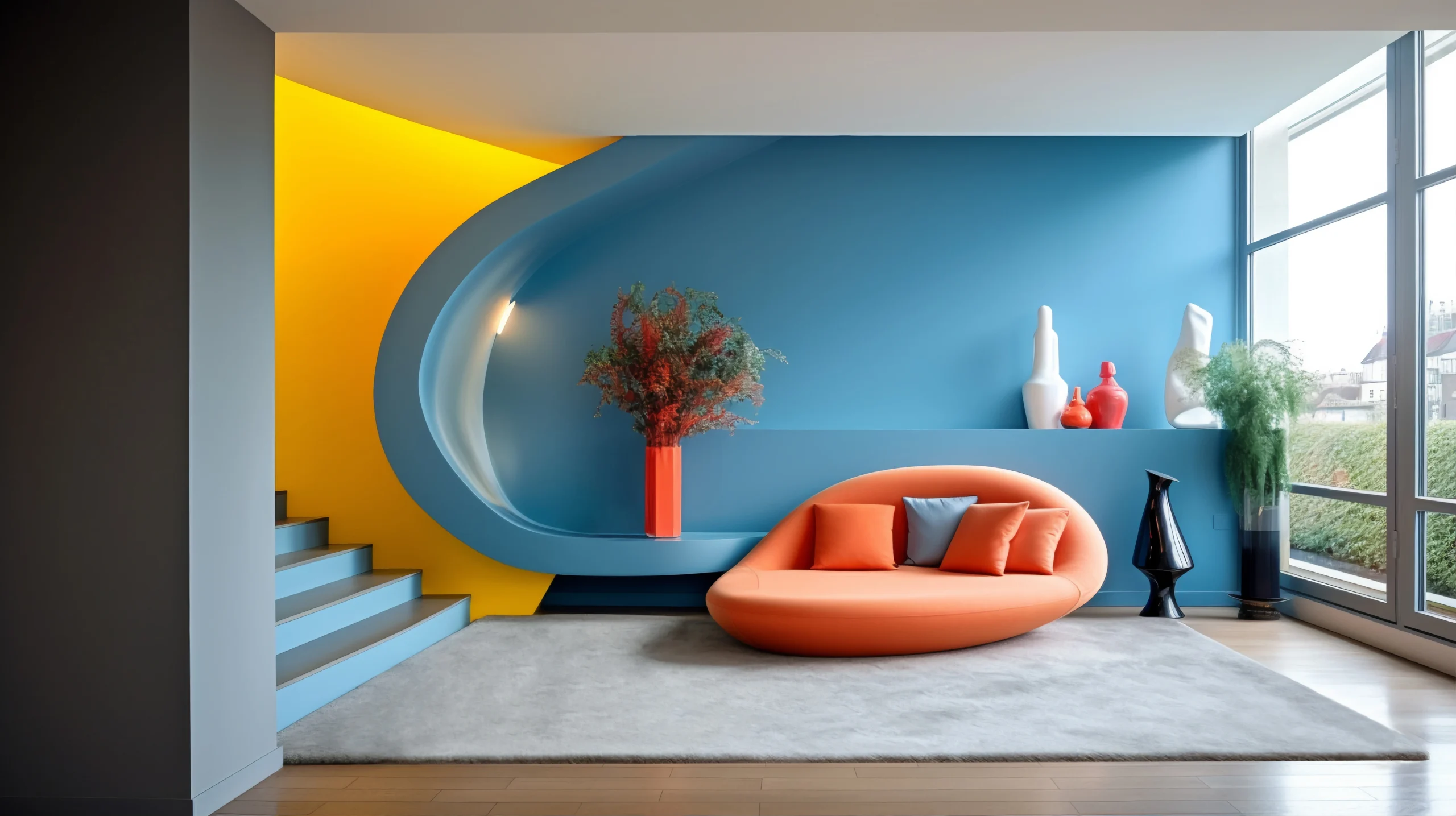

Home interiors rely on lighting as a fundamental yet frequently overlooked design component. A proper lighting setup makes compact spaces seem larger while showing off your decorations and establishing the right atmosphere. The wrong lights for your home transform any professionally designed residence into a dull and uninviting space that lacks warmth.
Numerous homeowners unknowingly commit typical lighting errors that result in permanent damage to their home’s comfort levels and operational abilities, and visual appeal. This guide will examine the typical lighting selection errors home residents need to steer clear of while providing correct approaches to choose the best lights for your home.
Dependence on one light source for a room stands as one of the most significant lighting design errors. A single ceiling light placement in a living room creates uneven lighting effects because it leaves areas unlit and prevents the space from developing a welcoming atmosphere.
Solution: Use layered lighting, which combines:
General room illumination comes from ambient lighting which consists of ceiling fixtures or recessed lights.
Task lighting includes focused illumination which provides specific lighting to activities like reading or kitchen counter use.
Accent lighting serves to showcase art or architectural details or textured wall surfaces.
This lighting method guarantees that all room areas function properly while maintaining visual appeal.
Many clients are using overly high kelvin light, harsh light and even daytime light in bedrooms or warm light in work spaces when they are in fact trying to create a space that enhances their experience.
Solutions:
The Colour temperature of the light can literally change the feel of a space entirely.
An oversized light fixture can create dominance in a little space, and a small light fixture may feel diminutive in a large space.
Solutions:
Many home owners make the common mistake of installing lights without considering controls to adjust the brightness.This limits flexibility and can make the rooms feel too dark or too bright.
Solution:
Use dimmers in key locations such as bedrooms, dining rooms and living rooms. Smart lighting is now also able to allow you to adjust lumens, and also adjust colour temperatures based on the time of day.
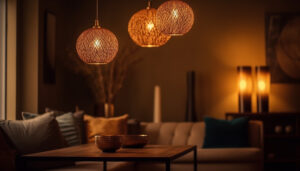
In kitchens, you can place task lighting directly over counter areas.
Choosing beautiful lights but ignoring their energy consumption can lead to higher electricity bills and unnecessary environmental impact.
Solution:
Switch to LED bulbs, which consume less energy and last longer. Look for energy-efficient fixtures and ensure that the brightness (lumens) matches your needs without over-lighting a space.
Mixing ultra-modern lights with a classic, traditional home interior can look mismatched. Lighting is a key part of interior design, so style consistency is important.
Solution:
Match your lighting design to your home’s overall style. For example:
Artificial lighting should complement — not replace — natural light. A common mistake is over-relying on artificial lights during the day.
Solution:
Maximise natural light by placing mirrors strategically, using sheer curtains, and arranging furniture to allow daylight to flow into the room. This reduces the need for daytime artificial lighting and enhances your interiors naturally.
Lighting is more than just a functional necessity — it’s a design tool that shapes how your home feels and functions. By avoiding these common mistakes and focusing on the right combination of style, placement, and light quality, you can create spaces that are warm, inviting, and perfectly illuminated.
At Buildart, we understand how lighting can transform interiors. Whether you’re designing a modern apartment or a traditional Kerala home, our experts ensure that your lighting choices enhance beauty, comfort, and functionality.
Planning to build in Trivandrum or nearby areas?
 Contact Buildart Interiors & Construction for a free consultation.
 Explore our YouTube walkthroughs: Buildart Interiors on YouTube