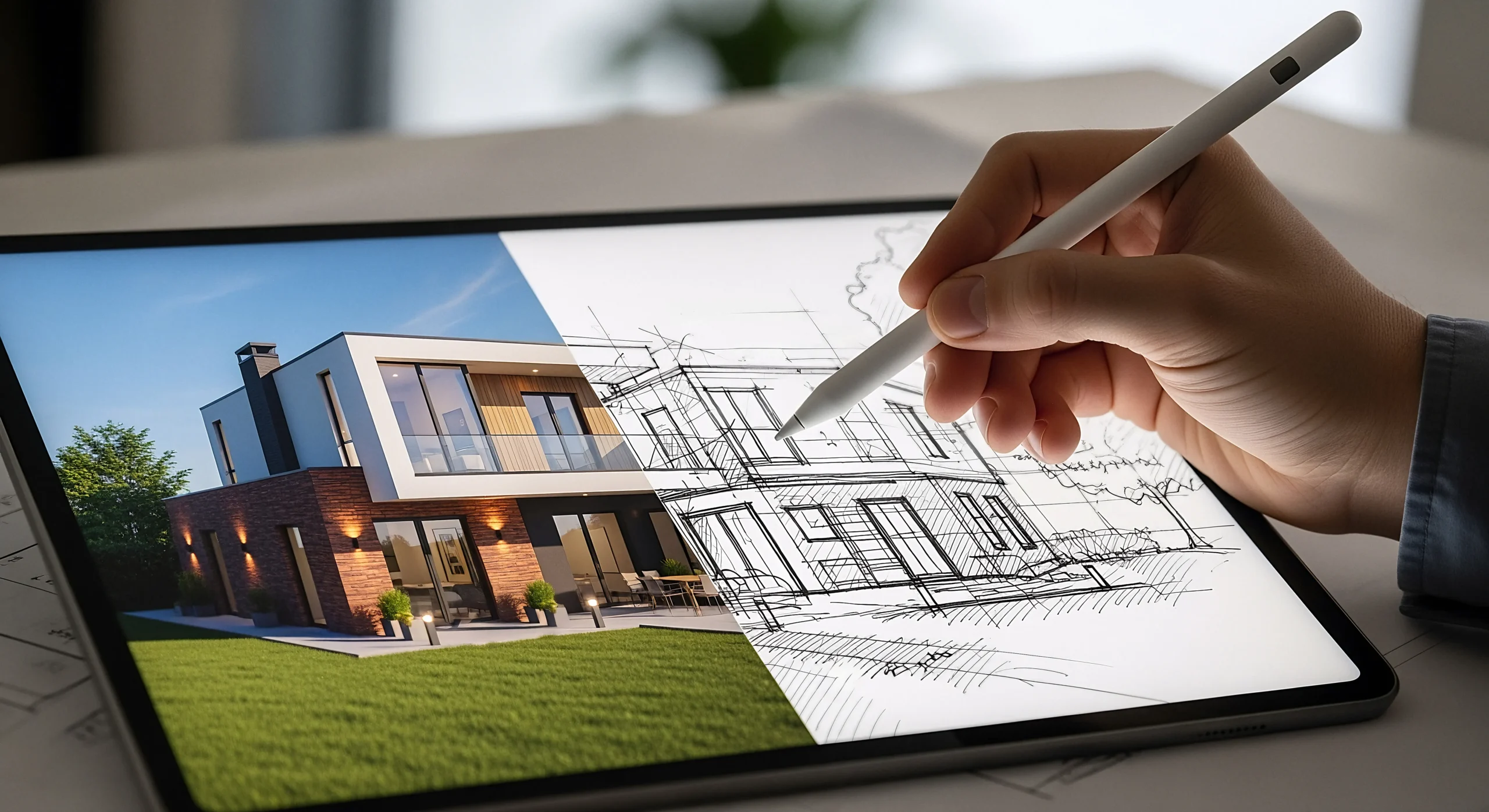
Building a home is an investment.Most homeowners focus a lot on plans, structure, and when the building will be done. They often forget one important thing: planning the inside before construction starts.
Many people think they can plan the inside after the building is finished.
However, this can cause design problems, extra costs, and spaces that don’t work well.
interior planning before construction makes sure your home is not just well-built but also comfy, useful, and fits your lifestyle.
Interior planning before construction helps you:
For example, if you need a home office, additional storage, or a spacious kitchen, these requirements should be considered during the design stage—not after construction.
When interiors are planned, your home becomes more practical and personalised.
When we decide on the inside of a house after it is built:
Space is one of the most valuable aspects of any home. Without proper planning, even large homes can feel cramped and inefficient.
By interior planning early, you can:
For instance, wardrobe spaces, storage units, and circulation areas can be designed accurately during construction, making the home feel more spacious and organised.
Furniture plays a key role in interior design, but it is often overlooked during construction.
Without early planning:
When you plan interiors in advance, you can:
This results in a home that feels balanced and easy to live in.
Electrical and lighting planning should always go hand in hand with interior design.
If done later, you may face:
Planning allows you to:
Good lighting enhances both functionality and aesthetics, making your home more comfortable and visually appealing.
Kitchens and storage areas require detailed planning, as they involve both design and functionality.
Without early planning:
Interior planning before construction helps you:
Smart storage solutions also help keep your home clutter-free, which is essential for modern living.

Interior planning before construction must work together seamlessly.
When interiors are planned early:
This coordination ensures a smoother construction process and a more refined final outcome.
Choosing materials at the right stage is crucial for durability and aesthetics.
Early planning helps you:
Whether it’s flooring, laminates, or wall finishes, thoughtful material selection enhances both the look and longevity of your home.
Interior planning is closely linked to budgeting.
When you plan ahead:
This allows you to prioritise important areas like kitchens, wardrobes, and lighting, while planning decor elements later.
When interiors are planned after construction, homes often feel disconnected.
But when planned early:
The result is a home that looks well-designed, not pieced together.
Interior Planning before construction is not just a design choice—it’s a smart decision that impacts every aspect of your home.
Early planning ensures that your home is built with purpose. It helps avoid mistakes, reduces stress, and creates a living space that truly reflects your needs.
If you’re starting your home construction journey, take the time to think about interiors from day one. Because a well-planned home isn’t just built—it’s thoughtfully designed long.